Creating a relaxing home garden space is a wonderful way to bring peace and tranquillity into your everyday life. Whether you have a small balcony, a modest backyard, or a spacious garden, thoughtful design and simple touches can transform your outdoor area into a soothing haven. In this post, we’ll explore practical tips to help you craft a garden space that feels calm, inviting, and rejuvenating.
Why a Relaxing Garden Matters
Spending time outdoors has many benefits, including reducing stress, improving mood, and enhancing physical health. A relaxing garden space offers a private sanctuary where you can escape the hustle and bustle of daily life, connect with nature, and unwind. Even a small, well-planned garden can improve your wellbeing and add charm to your home.
Planning Your Relaxing Garden Space
Before you start planting or buying furniture, it’s helpful to plan your garden with relaxation in mind.
Assess Your Space and Sunlight
Begin by looking at the size and layout of your garden. Note which parts get sun or shade at different times of the day, as this will influence your plant choices and seating areas. A spot sheltered from strong winds and noise can be ideal for relaxation.
Choose a Focal Point
Having a focal point can create a sense of calm and draw the eye. This might be a water feature, a beautiful tree, a sculpture, or a comfortable seating area. Planning around this focus helps the garden feel organised and inviting.
Selecting Plants for a Peaceful Atmosphere
Plants play a vital role in setting the mood of your garden. Choose varieties that encourage relaxation with their colours, scents, and textures.
Opt for Calming Colours
Soft greens, blues, and pastels tend to have a soothing effect. Lavender, sage, and various grasses bring gentle hues that help create a tranquil vibe.
Incorporate Fragrant Plants
Scent can deeply influence relaxation. Plants like lavender, jasmine, and heliotrope release gentle fragrances that calm the mind and promote sleepiness.
Choose Low-Maintenance Plants
To keep your garden enjoyable rather than stressful, select plants that suit your climate, soil, and gardening experience. Hardy perennials and shrubs require less upkeep yet still look attractive year-round.
Add Textural Variety
Mixing different leaf shapes and plant heights adds interest without overwhelming the senses. A blend of soft ferns, sturdy bushes, and delicate flowers can promote a balanced feel.
Creating Comfortable and Functional Seating Areas
Your garden’s seating area is where you’ll most likely spend time relaxing, so it’s worth investing a little thought here.
Select Comfortable Furniture
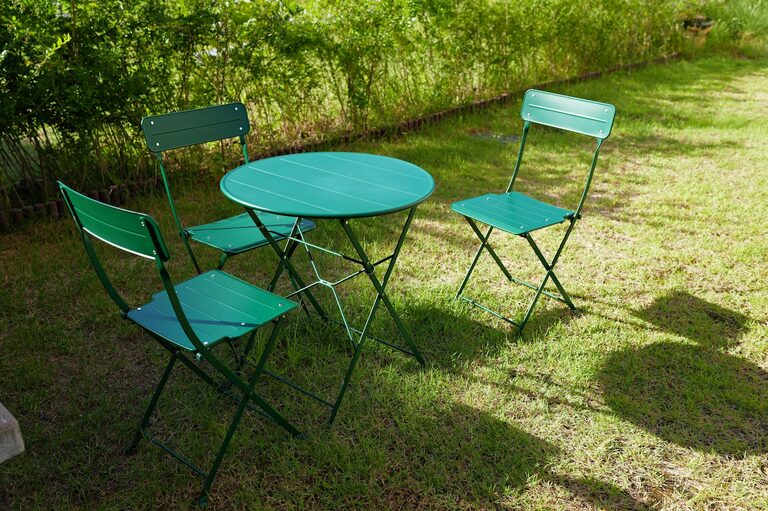
Choose weather-resistant chairs, benches, or loungers with cushions for extra comfort. Consider materials like rattan, teak, or metal that suit both your style and climate.
Provide Shade
A parasol, pergola, or climbing plants on a trellis can offer welcome shade during sunny days. This helps keep your seating area cool and comfortable.
Arrange Furniture for Privacy
Position seating so you feel sheltered from neighbours or passing foot traffic. Using tall plants, fences, or screens can create a cosy, private nook.
Incorporating Water Features for Soothing Sounds
Water features add gentle soundscapes that aid relaxation and mask background noise.
Small Ponds or Fountains
A small pond with floating plants or a simple fountain can create peaceful water sounds that soothe the mind.
Birdbaths
A birdbath invites birds, adding nature’s music to your garden while providing a calming focal point.
Using Lighting to Create Evening Ambiance
Soft lighting extends the relaxing atmosphere into the evening, making your garden enjoyable after sunset.
Choose Warm Lights
Warm white or yellow-tone lights feel cozier than bright white. String lights, lanterns, or solar-powered stakes work well.
Highlight Key Features
Use gentle spotlights to showcase favourite plants or water features without overpowering the space.
Adding Personal Touches
Don’t be afraid to personalise your garden to reflect your tastes.
Use Art and Ornaments
Garden statues, wind chimes, or handmade decorations can make the area feel unique and comforting.
Create a Reading or Meditation Corner
Include cushions, blankets, or mats for mindful moments, reading, or simply enjoying the outdoors.
Incorporate Natural Materials
Wood, stone, and clay elements blend with the garden environment and enhance the natural feel.
Keeping Your Garden Tidy and Inviting
Finally, regular maintenance helps your garden stay a relaxing retreat.
– Clear away fallen leaves and dead plants to keep the space fresh.
– Prune overgrown bushes to maintain openness and views.
– Keep pathways clean and safe for easy access.
– Refresh cushions and furniture coatings as needed.
Conclusion
Designing a relaxing home garden space doesn’t require a large budget or extensive expertise—just a little planning, some careful plant choices, and comfortable seating. By creating a calm and inviting outdoor area, you can enjoy fresh air and nature’s beauty every day. Whether for reading, meditation, gardening, or simply unwinding, your peaceful garden sanctuary will become a cherished part of your home.
Give these tips a try and watch your garden transform into a soothing space that nurtures your wellbeing. Happy gardening!