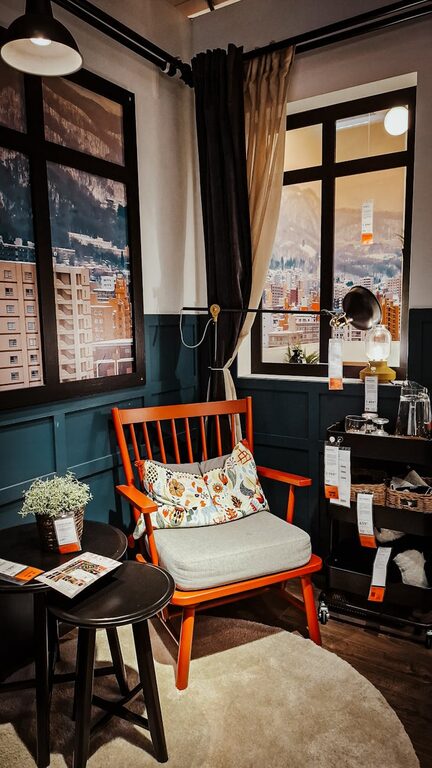
Creating a relaxing home environment is essential for unwinding after a busy day and maintaining a sense of calm in daily life. Whether you have a large living space or a small apartment, simple changes can make your home feel more peaceful and inviting. In this post, we’ll explore practical tips that help you design a sanctuary where you can truly relax.
Declutter for a Clear Mind
One of the quickest ways to make your space more relaxing is to reduce clutter. Clutter can cause stress and distract you from feeling calm. Start by:
– Sorting through items and removing things you no longer need
– Organising belongings into boxes, baskets, or drawers
– Creating designated storage spaces to keep surfaces clear
Having a tidy environment promotes a clearer mind and a more peaceful atmosphere.
Choose Soothing Colours
The colours in your home affect your mood. Soft, muted tones are ideal for creating a relaxing setting. Consider:
– Light blues, greens, and greys for a calming effect
– Warm neutrals like beige and soft taupe for comfort
– Avoiding overly bright or harsh colours in relaxation zones
You can introduce these colours through wall paint, cushions, curtains, and rugs.
Optimize Natural Light
Natural light boosts mood and helps you feel more connected to the outdoors. To maximise natural light:
– Keep windows clean to allow maximum sunlight
– Use sheer curtains or blinds that can be adjusted
– Arrange mirrors to reflect light into darker areas
– Position seating near windows to enjoy daylight
If natural light is limited, add soft, warm artificial lighting to maintain a cosy feel.
Incorporate Comfortable Textiles
Adding soft fabrics makes your home feel warm and inviting. Some ideas include:
– Cushions and throws on sofas and chairs
– Area rugs to soften hard flooring
– Linen or cotton bed linens for breathability
– Soft curtains that gently filter light
Textiles not only add comfort but also contribute to the overall aesthetic of your space.
Bring in Natural Elements
Connecting with nature promotes relaxation. You can do this indoors by:
– Adding indoor plants that purify the air and add greenery
– Using natural materials like wood, stone, or bamboo in furniture and decor
– Displaying fresh flowers or dried arrangements
Plants like spider plants, peace lilies, and succulents are easy to care for and enhance tranquility.
Establish Relaxing Zones
Create specific areas in your home dedicated to relaxation. For example:
– A reading nook with a comfortable chair and good lighting
– A meditation or yoga corner with mats and cushions
– A cozy spot by the fireplace or window
Having a designated space encourages regular relaxation and helps separate work and leisure.
Use Calming Scents
Aromatherapy can influence how relaxed you feel. Some simple ways to add calming scents include:
– Using essential oil diffusers with lavender, chamomile, or eucalyptus
– Lighting soy or beeswax candles with mild fragrances
– Adding scented sachets to drawers or wardrobes
Always ensure good ventilation and avoid overpowering smells.
Maintain Pleasant Sounds
Silence can be golden, but some gentle background sounds may help you unwind. You might:
– Play soft instrumental music or nature sounds
– Use a white noise machine to mask distracting noises
– Keep noise levels low during relaxation times
Avoid harsh or loud noises that increase stress.
Control Temperature and Air Quality
Comfortable temperature and fresh air greatly influence relaxation. To manage these:
– Adjust heating or cooling to a comfortable level
– Use fans or open windows to circulate fresh air
– Consider air purifiers to reduce allergens and dust
Maintaining good air quality helps you breathe more easily and feel refreshed.
Keep Technology in Check
Technology can both help and hinder relaxation. To make it work for you:
– Set boundaries on screen time, especially before bed
– Use devices to stream calming music or guided meditations
– Avoid having screens in designated relaxation zones
Turning off electronic devices periodically can create a restful environment.
Personalise Your Space
Make your home feel uniquely yours by adding items that bring joy and comfort:
– Display favourite photographs or artwork
– Include treasured keepsakes or souvenirs
– Arrange books or hobbies so they are accessible
Personal touches create emotional comfort and enhance the sense of peace.
—
By incorporating these simple tips into your home, you can transform your living space into a refuge from daily stress. Relaxation becomes easier when your environment supports calmness and comfort. Start small, and gradually build a home that helps you feel truly at ease.