Creating a productive home office environment is essential for anyone working remotely or managing tasks from home. A well-designed workspace can improve concentration, reduce stress, and increase output. Whether you are setting up your first home office or looking to enhance your current setup, these tips will help you build a space that supports your productivity and wellbeing.
Choose the Right Location
Selecting the ideal spot in your home is the first step. Aim for a quiet area with minimal distractions, preferably separated from high-traffic zones. Natural light is a bonus, so pick a room or corner near a window to boost mood and energy. If privacy is limited, consider room dividers or noise-cancelling headphones to create a sense of separation.
Invest in Comfortable and Ergonomic Furniture
The furniture you choose can greatly affect your comfort and health during long working hours.
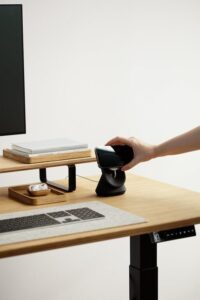
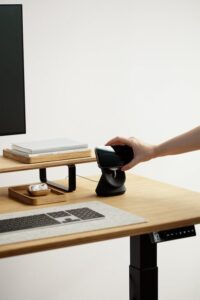
– Desk: Opt for a desk that fits your space and provides enough surface area for your computer, stationery, and notes. Adjustable desks allow you to alternate between sitting and standing.
– Chair: Select an ergonomic chair with good lumbar support, adjustable height, and armrests. This reduces the risk of back and neck strain.
– Monitor Position: Your screen should be at eye level, about an arm’s length away, to avoid neck discomfort.
Organise Your Workspace Effectively
A cluttered desk can mean a cluttered mind. Organise your home office to reduce distractions and make it easier to find what you need.
– Storage Solutions: Use shelves, filing cabinets, or desk organisers for papers and supplies.
– Cable Management: Tidy up cables using clips, sleeves, or under-desk trays.
– Minimalism: Keep only essentials on your desk to maintain a clean look.
Control Lighting and Reduce Glare
Proper lighting helps reduce eye strain and fatigue.
– Natural Light: Maximise daylight but avoid direct glare on your screen by using blinds or curtains.
– Artificial Lighting: A combination of overhead lights and a desk lamp with adjustable brightness works well.
– Colour Temperature: Use warm to neutral white light to create a comfortable atmosphere.
Set Boundaries and Establish Routines
Creating mental and physical boundaries between work and home life is important.
– Work Hours: Define your start and finish times just as you would at an office.
– Breaks: Take regular short breaks to stretch and rest your eyes.
– Signage: If sharing your home with others, use signs or signals to indicate when you cannot be disturbed.
Personalise Your Space
Adding personal touches can make your home office more inviting and motivating.
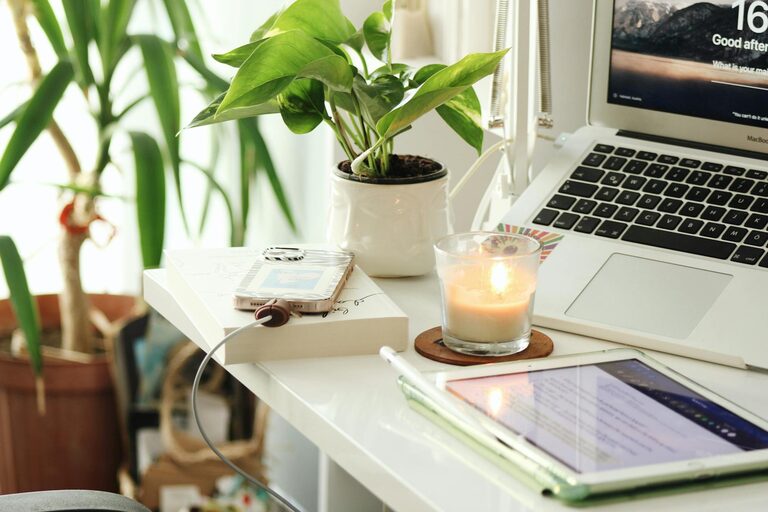
– Plants: Small indoor plants can improve air quality and add a calming effect.
– Artwork: Hang pictures or posters that inspire you.
– Comfort Items: A cosy blanket, a favourite mug, or a scented candle can enhance your mood.
Minimise Distractions
Distractions can quickly derail your focus.
– Turn off Non-essential Notifications: Use ‘Do Not Disturb’ modes on devices when working.
– Background Noise: Listen to instrumental music or white noise if it helps you concentrate.
– Clear Workspace: Remove non-work-related items from your desk.
Utilise Technology Wisely
Make the most of tools that streamline your workflow.
– Reliable Internet: Ensure a strong internet connection to avoid interruptions.
– Productivity Apps: Use calendars, task managers, or note-taking apps to organise your work.
– Backup Solutions: Regularly back up important files to cloud storage or external drives.
Pay Attention to Air Quality and Temperature
A comfortable environment also depends on fresh air and appropriate temperature.
– Ventilation: Open windows periodically to circulate fresh air.
– Humidity: Consider a humidifier if your home office feels dry.
– Temperature: Keep the room neither too hot nor too cold to maintain focus.
Review and Adjust Regularly
Finally, a productive home office evolves with your needs.
– Periodically assess what is and isn’t working.
– Make small adjustments to improve comfort and efficiency.
– Stay flexible and open to trying new ideas.
—
By following these tips, you can create a home office environment that supports your productivity and wellbeing. Remember that the ideal space is personal—tailor your setup to suit your work style and preferences for the best results.